- Born in Anamosa, Iowa, Grant Wood spent his career painting the landscapes and people of the American Midwest. Wood studied at the Art Institute in 1912 and made several trips to Europe in the 1920s.He went to Munich in 1928 to supervise the manufacture of a stained-glass window he had designed. Inspired by early Flemish paintings in museums he visited, Wood developed and refined his style, characterized by carefully drawn details and clear, strong lines.He was a member of a group of artists known as regionalists, who were part of the American Scene movement of the 1930s. Wood and other artists such as John Steuart Curry and Thomas Hart Benton rejected the modern movements of their European colleagues, and instead looked nostalgically to America's past and rural life for inspiration. Their works reflect the strong nationalist spirit of this period in American history. The interest in specific regions of the country also found expression in the fiction of William Faulkner and John Steinbeck, as well as government programs that encouraged local arts and crafts traditions.Wood not only depicted the farms of his Iowa childhood in his work, but he also painted the farmers, celebrating their enduring, virtuous, and heroic spirit. He could also view them with wit, as in his most famous painting, American Gothic. That portrayal of a farmer and his wife won him national recognition and a bronze medal in 1930 from the Art Institute of Chicago, where it now hangs. The artist died in Iowa City in 1942.
Sotheby’s NOVEMBER 30, 2005Grant Wood’s iconic Spring Plowing painted in 1932, estimated to bring $3/5million, is the most important work by Wood to ever appear at auction. In Spring Plowing, the emerald green hills, neatly trimmed tracts of land and bright blue sky are emblematic of the distinctive agrarian vision that defined Wood’s mature regionalist style. Celebrated for his depictions of mid-western farm life, Time magazine hailed Wood in 1934 asthe “chief philosopher and greatest teacher of representational U.S. art.”
Sotheby's April 16, 2014GRANT WOODCAFE DE PALAISLOT SOLD. 28,125GRANT WOODA LAZY AFTERNOONLOT SOLD. 16,250- Sotheby's 2012

- GRANT WOODPATCHWORK QUILTEstimate 50,000 — 70,000
 GRANT WOODTREES ON INDIAN CREEKEstimate 20,000 — 30,000
GRANT WOOD (1891-1942)
STUDY FOR "FEBRUARY"
Estimate $400,000 - $600,000 Price Realized $1,058,500
GRANT WOOD
FERTILITY (C. 15)
Estimate $5,000 - $7,000 Price Realized $5,000
Swann 2008GRANT WOODFruits; Vegetables; Tame Flowers; Wild Flowers.Estimate $10,000 - $15,000Price Realized (with Buyer's Premium) $9,800
- GRANT WOODJuly Fifteenth.Estimate $4,000 - $6,000Price Realized (with Buyer's Premium) $6,720
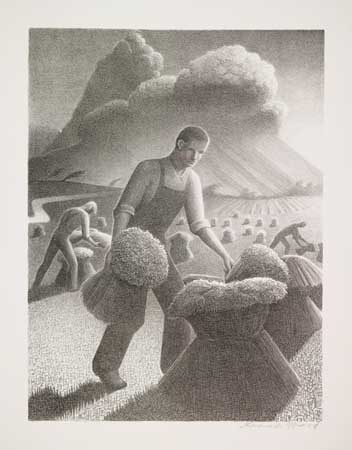
GRANT WOODApproaching Storm.Estimate $5,000 - $8,000Price Realized (with Buyer's Premium) $6,720
- GRANT WOODJanuary.Estimate $4,000 - $6,000Price Realized (with Buyer's Premium) $5,280
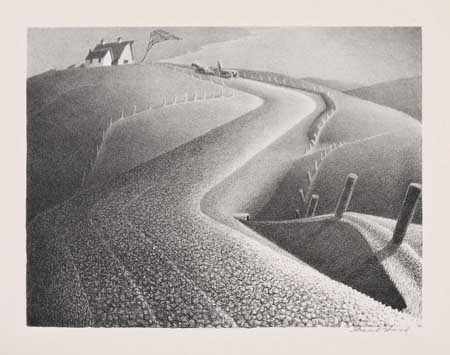
GRANT WOODMarch.Estimate $4,000 - $6,000Price Realized (with Buyer's Premium) $5,040- GRANT WOODTree Planting Group.Estimate $4,000 - $6,000Price Realized (with Buyer's Premium) $3,675
- GRANT WOODSeed Time and Harvest.Estimate $3,000 - $5,000Price Realized (with Buyer's Premium) $3,360
GRANT WOODShrine Quartet.Estimate $3,000 - $5,000Price Realized (with Buyer's Premium) $3,120


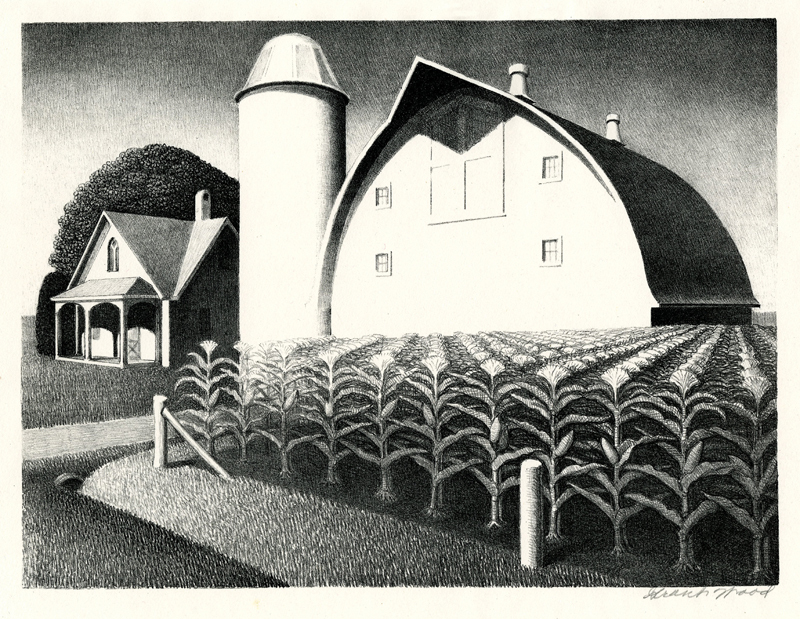
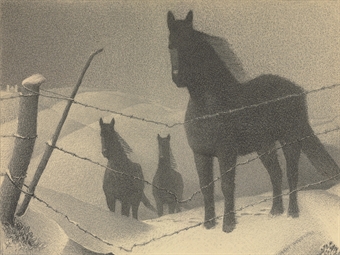
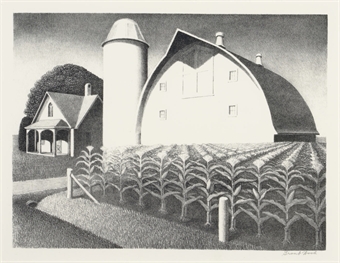

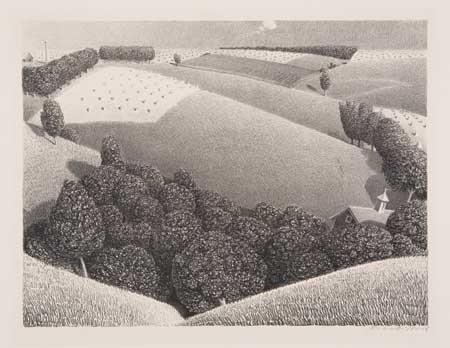




Sotheby's 2007

GRANT WOOD
MARCH (CZEST. W-18)
LOT SOLD. 4,063 Christie's 2014

Christie's 2005
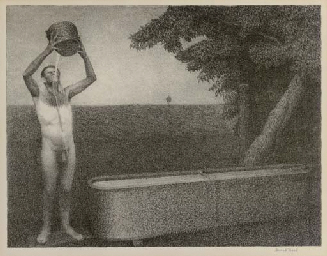
GRANT WOOD (1891-1942)
SULTRY NIGHT (COLE 6)
Price Realized $3,840
Christie’s 2001

Skinner


Sold for:
$3,081

Sold for:
$2,726

Sold for:
$2,726

Sold for:
$999

Sold for:
$1,528

Sold for:
$3,437

Sold for:
$2,726
Comments
Post a Comment